
Herbalism Fundamentals
Herbalism fundamentals outline core concepts: definition, historical roots, scope of practice, and key principles guiding safe, ethical use of plants for health. It emphasizes evidence, sustainability, and integration across cultures. Herbalism blends science and tradition. daily
Definition, History, and Scope
Herbalism, also known as botanical medicine, is the practice of using plant materials—leaves, roots, flowers, bark, and seeds—to promote health, prevent disease, and treat ailments. Its roots trace back to prehistoric times when early humans observed medicinal properties in wild flora. Ancient civilizations such as Mesopotamia, Egypt, China, and India formalized herbal knowledge, compiling pharmacopeias that guided practitioners for millennia. The Greek physician Dioscorides authored “De Materia Medica,” a foundational text that influenced Western herbalism for centuries. In the Middle Ages, monastic gardens preserved and expanded botanical wisdom, while the Renaissance spurred scientific inquiry into plant chemistry. The 19th and 20th centuries saw the rise of pharmacognosy, the systematic study of natural products, and the integration of herbalism into modern healthcare systems. Today, herbalism spans diverse scopes: from traditional healing rituals and holistic wellness practices to evidence‑based integrative medicine. Practitioners assess individual constitution, environmental factors, and contemporary research to tailor remedies. The field remains dynamic, balancing time‑honored traditions with rigorous scientific validation, and continues to evolve as new plant compounds are discovered and regulatory frameworks adapt to ensure safety and efficacy. Modern herbalists now use genomic data, metabolomic profiling, and digital phenotyping to refine dosage, predict interactions, and personalize protocols daily. !!
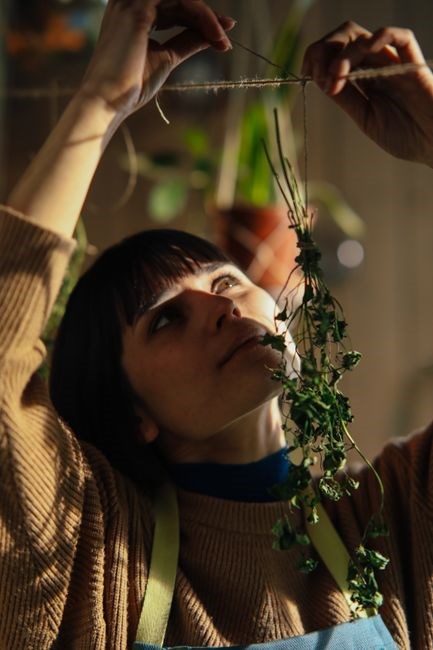
Herb Identification and Classification
Identification relies on morphological traits—leaf shape, stem texture, flower color, root systems—paired with taxonomy. Classifiers use keys, DNA barcoding, herbarium specimens to assign species, chemotypes, ensuring ate sourcing and therapeutic consistency
Botanical Characteristics and Taxonomy
In herbalism, botanical identification is grounded in a systematic examination of plant morphology and taxonomic relationships. Key morphological markers—leaf arrangement (alternate, opposite, whorled), venation patterns (pinnate, palmate, reticulate), margin types (smooth, serrated, lobed), and indumentum (hair, scales, glands)—provide the first clues to a specimen’s identity. Stem features, such as branching habit, presence of nodes, and bark texture, further refine classification. Floral structures, including inflorescence type (spike, raceme, umbel), petal number, color, and reproductive organs, are critical for distinguishing closely related species within a genus in varied habitats. Root systems—taproot, fibrous hybrids—offer diagnostic traits for perennial herbs. Beyond morphology, taxonomists use DNA barcoding (e.g., rbcL, matK) to resolve cryptic species. Taxonomic hierarchy follows the Linnaean system: Kingdom Plantae, Division Magnoliophyta, Class Magnoliopsida, Order (e.g., Asterales, Rosales), Family (e.g., Asteraceae, Rosaceae), Genus, and Species. Each taxonomic level reflects evolutionary relationships and shared characteristics, enabling practitioners to predict phytochemical profiles and therapeutic potentials. Accurate taxonomy is essential for ensuring consistency in dosage, avoiding adulterants, and maintaining ecological integrity through responsible sourcing. In practice, herbarium vouchers, field guides, and digital databases (e.g., GBIF, Tropicos) serve as indispensable resources for corroborating field identifications with authoritative references. By integrating classical morphology with modern genetic insights, herbalists can confidently navigate the vast diversity of plant life and apply evidence‑based practices in their therapeutic repertoire.!

Harvesting and Collection Practices

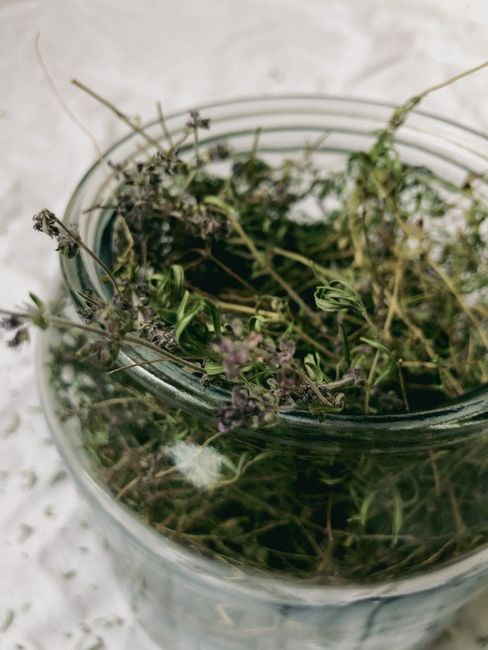
Harvesting demands timing, respect, and sustainability. Collect leaves in early morning when oils peak, avoid mature flowers to preserve reproduction, and use clean tools to prevent contamination. Ethical sourcing includes permission from local communitiesminimal impactharvestingproper drying to maintain potency.
Seasonal Timing, Sustainable Harvesting, and Ethical Sourcing
Seasonal timing is the cornerstone of responsible herbal collection. Plants exhibit peak phytochemical concentrations at specific growth stages, often in the early morning when temperatures are moderate. Harvesting during these windows maximizes therapeutic potency while minimizing stress on the plant. For leafy greens, the best time is just before the sun fully rises, when essential oils are most concentrated. Timing also aligns with ecological cycles; harvesting before seed set preserves reproductive capacity, sustaining future populations. Sustainable harvesting practices prioritize regeneration and ecosystem balance. Techniques such as “cut‑and‑return” involve trimming a fraction of the plant, allowing the remainder to photosynthesize and regrow. In wild settings, the “take‑one‑third” rule limits removal to no more than one third of the available biomass, preventing over‑exploitation. Rotational harvesting across multiple sites reduces localized depletion. Additionally, using hand tools instead of power equipment minimizes soil compaction and damage to surrounding flora. Ethical sourcing extends beyond ecological stewardship to respect for indigenous knowledge and local communities. Prior informed consent is essential; collectors should engage with landowners, tribal councils, or community elders to secure permission and discuss benefits sharing. Compensation can include fair trade payments, capacity‑building workshops, or co‑branding agreements that honor cultural heritage. Transparent traceability—documenting origin, collection date, and collector identity—builds consumer trust and ensures compliance with international regulations such as CITES. By integrating seasonal precision, regenerative techniques, and community partnership, herbalists can harvest responsibly, preserving both plant health and cultural integrity for future generations and care today.
Drying, Processing, and Storage Techniques
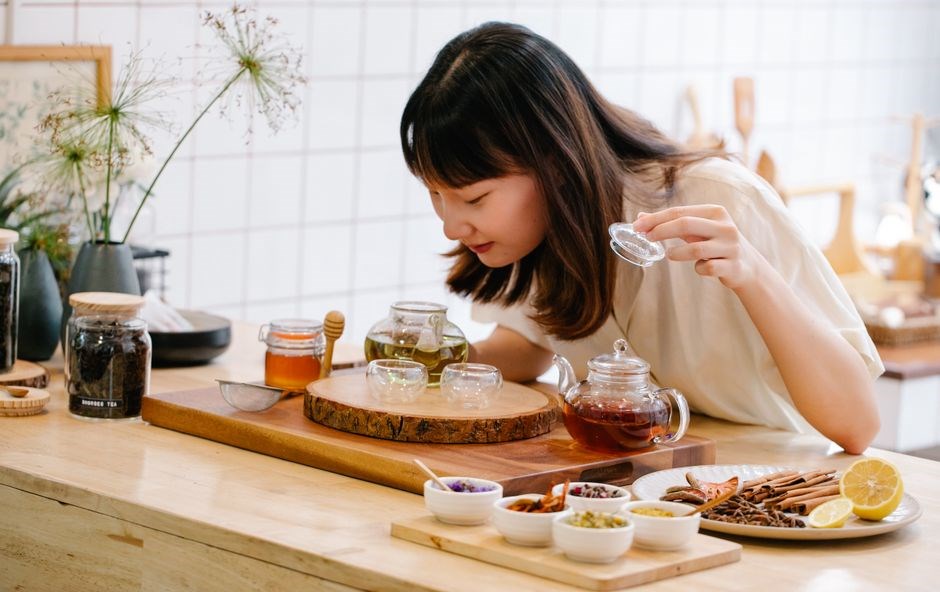
Drying reduces moisture, preserving active compounds. Methods: sun, shade, oven, dehydrator. After drying, store in airtight containers, away from light, heat, and humidity. Use glass jars with desiccants. Label with date and batch. Proper storage extends shelf life.
Methods of Drying, Preservation, and Shelf Life
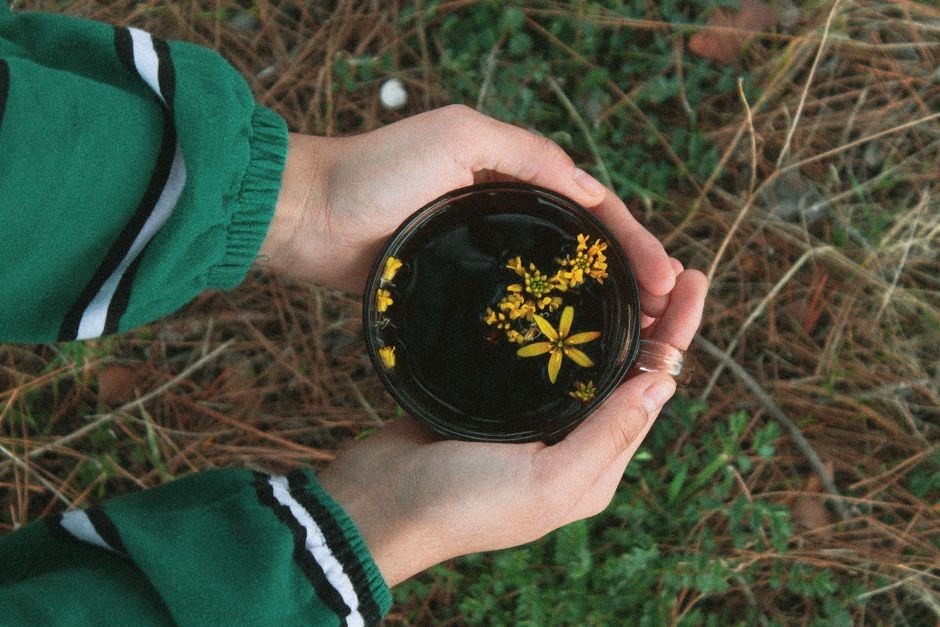
Drying removes moisture that encourages microbial growth, preserving herbal potency. Sun drying spreads herbs on clean trays, 6–8 h/day, turning frequently; shade drying suits delicate flowers, slowing loss of volatile oils. Oven drying (55–60 °C) speeds the process while preventing scorching. Modern dehydrators offer precise temperature and airflow control, ideal for herbs rich in essential oils; After drying, herbs are ground into fine powders or macerated in alcohol/glycerin to produce tinctures, filtered and bottled. Steam distillation extracts essential oils, separating volatile compounds from the water phase. Preservation extends shelf life by preventing oxidation, microbial contamination, and loss of active constituents. Airtight amber or cobalt glass jars protect against light and air; desiccants reduce residual moisture. Vacuum sealing removes oxygen, extending viability to 2–3 years for most dried herbs. Liquids benefit from refrigeration or freezing; tinctures can last 5–10 years when stored cool and dark. Labeling with harvest date, batch number, and storage conditions ensures traceability and quality control. Proper storage—cool, dark, dry—maintains stability, preventing degradation and preserving therapeutic efficacy for years. Optimal storage conditions—cool, dark, dry—are essential for maintaining herbal integrity. Temperature should stay between 15–20 °C, humidity below 30 %, and light exposure minimized. Inspect for mold, insects, or off‑odors. When conditions are met, dried herbs retain potency for 5–7 years, while tinctures in essential oils can last 5–10 years under.
Preparation of Herbal Remedies
Infusions steep herbs in hot water 5–10 min; decoctions simmer dried roots for 20–30 min; tinctures macerate in alcohol 4–6 weeks; salves combine herbs with carrier oils, heating gently. Proper ratios, filtration, and storage preserve potency and safety.Store in dark.
Infusions, Decoctions, Tinctures, and Salves
Infusions, decoctions, tinctures, and salves are the four primary extraction techniques used in herbalism. Infusions involve steeping fresh or dried herbs in hot water for 5–10 minutes, ideal for delicate leaves and flowers. Decoctions simmer tougher plant parts—roots, bark, or seeds—for 20–30 minutes, extracting tannins and essential oils. Tinctures macerate herbs in high‑proof alcohol or glycerin for 4–6 weeks, then strain; the resulting liquid concentrates alkaloids and phenolics, offering a long‑lasting remedy. Salves combine herbs with a carrier oil—olive, almond, or coconut—heated gently to infuse the oil, then cooled and strained; the oil preserves the herb’s active compounds and provides topical benefits. For each method, precise ratios (e.g., 1 g herb per 30 ml water for infusions, 1 g per 100 ml alcohol for tinctures) and proper filtration are essential to remove particulates. Storage guidelines differ: infusions and decoctions should be refrigerated and consumed within 24 hours; tinctures can be kept at room temperature for up to a year; salves require airtight containers in a cool, dark place to prevent rancidity. Adhering to these protocols ensures potency, safety, and therapeutic efficacy.
- Steep 1 g herb in 30 ml water, 5 min.
- Simmer 1 g root in 100 ml water, 20 min.
- Macreate 1 g herb in 100 ml alcohol, 4 weeks.
- Infuse oil with 5 g herb, 30 min, strain.
- Store infusions 4 °C, use within 24 h.
- Store tinctures 20 °C, use up to 12 months.
- Store salves in jar, cool dark.

Herbal Uses in Traditional Medicine Systems
Ayurveda, TCM, and Western herbalism converge on plant-based healing. Ayurveda emphasizes doshas, TCM focuses meridians. Each system uses herbs for balance, immunity, and chronic conditions, respecting dosage and season Dose to constitution, ensures safety now for holistic wellness and balanced life.!!!
Ayurveda, Traditional Chinese Medicine, and Western Herbalism
Ayurveda, Traditional Chinese Medicine (TCM), and Western herbalism represent three distinct yet complementary paradigms of plant-based healing. Each tradition draws from centuries of empirical observation, yet they differ in diagnostic frameworks, therapeutic goals, and philosophical underpinnings. Ayurveda, originating in the Indus Valley around 3000 BCE, is rooted in the concept of three doshas—Vata, Pitta, Kapha—that govern physiological and psychological processes. Herbal formulas are tailored to individual constitutional types, aiming to restore balance and prevent disease. TCM, with a history spanning more than 2,500 years, relies on the theory of Qi, Yin‑Yang, and the Five Elements. Herbs are selected to harmonize organ systems, regulate energy flow, and address imbalances reflected in pulse, tongue, and meridian patterns. Western herbalism, emerging in the 19‑century revival of folk medicine, emphasizes phytochemical research, standardization, and evidence‑based practice. Practitioners often integrate modern pharmacognosy with traditional knowledge, focusing on bioactive compounds, dosage precision, and safety profiling. Despite differing methodologies, all three systems share a holistic view of health, recognizing the interconnectedness of body, mind, and environment. Contemporary integrative medicine increasingly seeks to synthesize these approaches, leveraging the strengths of each to enhance therapeutic outcomes while maintaining cultural respect and scientific rigor. This view highlights the need to honor cultural wisdomor pursue rigor scientific validation.
Safety, Contraindications, and Quality Assurance
Herbal safety requires accurate identification, dosing and monitoring. Contraindications include drug interactions, pregnancy, or chronic disease. Quality assurance demands sourcing contaminant testing potency standards to ensure efficacy and safety.
Adverse Effects, Drug Interactions, and Regulatory Standards
Herbal remedies can provoke adverse reactions such as gastrointestinal upset, allergic dermatitis, or hepatotoxicity, especially when misidentified or overdosed. Common drug interactions involve cytochrome P450 inhibition or induction, leading to altered plasma levels of anticoagulants, antidiabetics, or chemotherapeutics. For instance, St. John’s wort induces CYP3A4, reducing efficacy of oral contraceptives, while kava may potentiate CNS depressants, increasing sedation risk. Regulatory frameworks vary: the U.S. FDA classifies botanicals as dietary supplements, subject to Good Manufacturing Practice (GMP) and post‑market safety surveillance, but lacks pre‑approval efficacy testing. The European Union requires a Qualified Person to certify herbal preparations, and the European Medicines Agency (EMA) maintains a monograph system for herbal substances. In Canada, Health Canada’s Natural Health Products Directorate (NHPD) mandates a product license, safety data, and evidence of efficacy before market entry. Quality assurance involves standardized extraction, potency assays, and contamination screening for heavy metals, pesticides, and mycotoxins. Practitioners should consult reputable pharmacopeias, adhere to dose‑response guidelines, and maintain patient records to detect delayed adverse events. Vigilant monitoring, patient education, and adherence to regulatory standards safeguard therapeutic benefit while minimizing harm. Additionally, emerging evidence highlights the importance of genetic polymorphisms in metabolizing enzymes, which can alter individual responses to herbal constituents, necessitating personalized dosing strategies and pharmacogenomic screening in high‑risk populations. Seasonal changes modify active compounds and potency daily.
Leave a Reply
You must be logged in to post a comment.