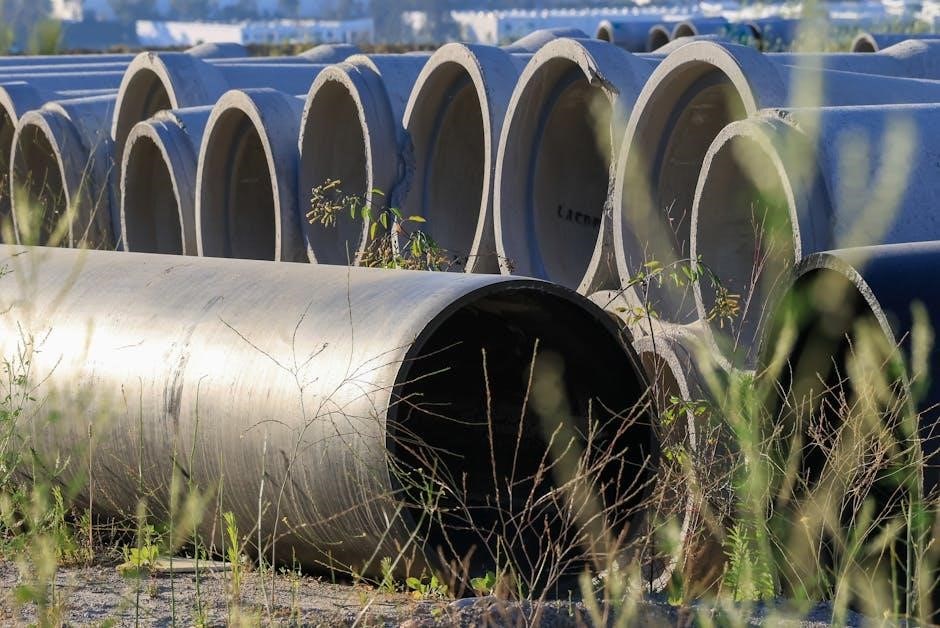
Building construction materials form the backbone of the construction industry, essential for creating durable and functional structures․ From traditional options like wood and steel to modern innovations, these materials are chosen based on strength, sustainability, and cost-effectiveness, ensuring projects meet diverse needs and environmental standards․
Overview of Building Construction Materials
Building construction materials encompass a wide range of substances used to create structures, from residential homes to large-scale commercial buildings․ These materials are categorized based on their properties, such as strength, durability, and sustainability․ Common materials include metals like steel and aluminum, concrete, wood, bricks, and plastics․ Each material serves specific purposes, ranging from structural frameworks to insulation and finishes․ The choice of material depends on factors like climate, budget, and design requirements․ Modern construction often incorporates advanced materials, such as composite panels and recycled products, to enhance performance and reduce environmental impact․ The evolution of building materials has led to innovative solutions, improving energy efficiency and safety standards․ Understanding these materials is crucial for architects, engineers, and contractors to ensure the longevity and functionality of buildings․ As the construction industry grows, the demand for versatile and sustainable materials continues to rise, driving advancements in material science and technology․
Importance of Material Selection in Construction
Material selection is a critical aspect of construction, directly influencing the durability, safety, and aesthetic appeal of a structure․ The right materials ensure a building can withstand environmental conditions, structural loads, and potential hazards like earthquakes or fires․ Proper selection also impacts cost, as high-quality materials reduce long-term maintenance and repair expenses․ Additionally, sustainable and energy-efficient materials contribute to environmental conservation and lower operational costs․ With the global focus on reducing carbon footprints, choosing materials that align with green building standards has become essential․ Ultimately, careful material selection ensures a project meets functional, safety, and environmental goals, making it a cornerstone of successful construction․ By prioritizing quality and sustainability, builders can create structures that are both resilient and eco-friendly, meeting the demands of modern construction while minimizing their impact on the planet․

Types of Building Construction Materials

Building materials are categorized into traditional and modern types․ Traditional materials include wood, steel, and concrete, while modern options like advanced composites and sustainable alternatives are gaining prominence, offering improved durability and environmental benefits․

Traditional Building Materials
Traditional building materials have been used for centuries due to their availability, durability, and proven performance․ Common examples include wood, stone, brick, concrete, and steel․ Wood, for instance, is a versatile and renewable resource, often used for framing, flooring, and cladding․ Stone, such as granite and marble, is prized for its strength and aesthetic appeal, commonly used in walls and decorative elements․ Bricks, made from clay, are durable and fire-resistant, making them ideal for load-bearing walls․ Concrete, a mixture of cement, water, and aggregates, is widely used for foundations, slabs, and structural components․ Steel, known for its high strength-to-weight ratio, is frequently used in framing and reinforcement․ These materials have stood the test of time, offering reliability and adaptability across various construction projects․ Their selection often depends on regional availability, cost, and the desired architectural style․ Despite the rise of modern alternatives, traditional materials remain a cornerstone of the construction industry․
Modern and Advanced Building Materials
Modern and advanced building materials are revolutionizing the construction industry by offering improved durability, sustainability, and performance․ Materials like cross-laminated timber (CLT), insulated concrete forms (ICFs), and fiber-reinforced polymers are gaining popularity due to their lightweight, strength, and energy efficiency․ Recycled and composite materials, such as reclaimed steel and plastic-based composites, reduce environmental impact while maintaining structural integrity․ Smart materials, including self-healing concrete and shape-memory alloys, are emerging as innovative solutions for adaptive buildings․ These materials not only enhance construction quality but also align with global sustainability goals․ The integration of advanced technologies, such as 3D printing, further expands the possibilities for creating complex and customized structures․ As the demand for eco-friendly and high-performance buildings grows, modern materials are playing a pivotal role in shaping the future of construction․
Applications of Building Construction Materials
Building construction materials are applied in structural elements like beams and foundations, and in finishing elements such as flooring, walls, and insulation, ensuring functionality, durability, and aesthetic appeal in various construction projects․
Structural Elements in Building Construction
Structural elements are the fundamental components of a building that ensure its stability, safety, and durability․ These elements include beams, columns, foundations, slabs, and walls, which collectively form the framework of a structure․ Beams and columns are critical for supporting vertical and horizontal loads, while foundations transfer the weight of the building to the ground․ Slabs serve as horizontal surfaces for floors and roofs, and walls provide enclosure and additional structural support․ The choice of materials for these elements, such as steel, concrete, or masonry, depends on their strength, durability, and ability to withstand external forces like wind and earthquakes․ Proper design and material selection are essential to ensure the structural integrity of a building, making these elements indispensable in construction projects․ Their role is vital in creating safe and long-lasting structures that meet engineering and safety standards․
Finishing Elements in Building Construction

Finishing elements in building construction are essential for completing the interior and exterior of structures, enhancing both aesthetics and functionality․ These materials include flooring, paint, doors, windows, and countertops, which contribute to the final appearance and usability of a space․ Flooring options like hardwood, tile, and carpet provide durability and comfort, while paints and coatings protect surfaces and add visual appeal․ Doors and windows not only ensure proper insulation but also contribute to natural lighting and ventilation․ Countertops and fixtures, such as cabinetry, are crucial for kitchens and bathrooms, offering practicality and style․ These elements are selected based on factors like budget, sustainability, and desired design․ Proper installation of finishing materials ensures a building is habitable, energy-efficient, and visually appealing, making them a vital part of the construction process․ Their quality directly impacts the overall satisfaction of occupants, emphasizing their importance in modern building practices․

Sustainability in Building Construction Materials
Sustainable building materials prioritize environmental stewardship, reducing carbon footprints and promoting energy efficiency․ They include recycled, renewable, and low-emission options, aligning with global trends toward eco-friendly construction and supporting long-term environmental health and resource conservation․

Sustainable Building Materials
Sustainable building materials are eco-friendly alternatives designed to reduce environmental impact while maintaining durability and performance․ These materials are selected based on their renewability, energy efficiency, and minimal carbon footprint․ Popular options include bamboo, recycled steel, low-carbon concrete, and cross-laminated timber (CLT)․ Bamboo, for instance, grows rapidly and requires minimal resources, making it a highly renewable resource․ Recycled steel reduces the need for virgin materials, lowering energy consumption and emissions․ Low-carbon concrete incorporates industrial byproducts like fly ash, significantly reducing its environmental impact․ Additionally, materials like straw bales and reclaimed wood are gaining traction for their sustainability and unique aesthetic appeal․ These materials not only contribute to energy-efficient buildings but also align with global sustainability goals․ By prioritizing sustainable materials, the construction industry can mitigate its environmental footprint while creating healthier, more resilient structures for future generations․
- Bamboo
- Recycled Steel
- Low-Carbon Concrete
- Cross-Laminated Timber (CLT)
- Straw Bales
- Reclaimed Wood
These materials are certified by programs like LEED and BREEAM, ensuring their sustainability and environmental benefits․
Energy Efficiency in Material Selection
Energy efficiency in material selection is crucial for reducing a building’s environmental impact and operational costs․ Materials with high thermal mass, such as concrete and brick, help regulate indoor temperatures, minimizing the need for heating and cooling systems․ Insulation materials like fiberglass, foam board, and reflective insulation play a key role in preventing heat loss and gain․ Windows with low-E coatings and double glazing also contribute to energy efficiency by reducing heat transfer․ Additionally, sustainable materials such as bamboo, reclaimed wood, and recycled steel are gaining popularity as they reduce embodied energy and support green building practices․ The use of energy-efficient materials not only enhances a building’s performance but also aligns with global efforts to combat climate change by lowering carbon emissions․ By prioritizing energy efficiency in material selection, architects and builders can create structures that are both environmentally friendly and cost-effective in the long term․

Cost and Budgeting for Building Construction Materials
Factors Affecting the Cost of Building Materials
Material costs vary due to market trends, supply chain dynamics, and geopolitical factors․ Understanding these elements helps in accurate budgeting and selecting cost-effective options without compromising quality or safety standards․
The cost of building materials is influenced by several factors, including market demand, supply chain disruptions, and geopolitical events․ Fluctuations in raw material prices, such as steel and cement, directly impact overall construction costs․ Additionally, transportation logistics and fuel prices play a significant role in determining the final cost of materials․ Labor costs and production expenses also contribute to price variations․ Government policies, tariffs, and trade restrictions can further affect material availability and pricing․ Environmental regulations and the shift toward sustainable materials may increase initial costs but offer long-term benefits․ Seasonal demand, such as increased need during construction peaks, can also drive up prices․ Understanding these factors helps in budgeting and selecting cost-effective materials for construction projects․
Budgeting Tips for Construction Projects
Effective budgeting is crucial for the success of any construction project․ Start by creating a detailed cost estimate, considering all materials, labor, and equipment․ Prioritize essential materials over luxurious finishes to allocate funds wisely․ Research suppliers to compare prices and negotiate bulk discounts․ Additionally, account for potential cost escalations due to market fluctuations․ Plan for contingencies, setting aside 10-15% of the total budget for unforeseen expenses․ Utilize cost-effective alternatives without compromising quality, such as using locally sourced or recycled materials․ Regularly monitor expenditures and adjust plans to stay on track․ Leveraging technology, like budgeting software, can help track spending and identify savings opportunities․ Finally, consult with experts to ensure accurate projections and avoid costly mistakes․ By following these tips, you can manage your construction budget efficiently and achieve your project goals without financial overruns․
Quality and Safety Standards for Building Materials
International Standards for Building Materials
Quality and safety standards ensure building materials meet rigorous testing and certification protocols, guaranteeing durability and safety․ Compliance with international norms is crucial for reliable performance and environmental sustainability in construction projects worldwide․
International standards for building materials ensure consistency, quality, and safety across global construction projects․ Organizations like the International Organization for Standardization (ISO) and the American Society for Testing and Materials (ASTM) develop guidelines for material performance, durability, and environmental impact․ These standards cover aspects such as strength, fire resistance, and sustainability, helping builders and architects select reliable materials․
Compliance with international standards is crucial for meeting regulatory requirements and ensuring structural integrity․ For instance, ISO 9001 focuses on quality management, while ASTM standards specify testing methods for materials like concrete and steel․ Adhering to these norms not only enhances the reliability of construction projects but also promotes global trade by creating a uniform framework for material evaluation and use․
Safety Protocols in Material Handling and Usage

Safety protocols are critical in the handling and usage of building construction materials to prevent accidents and ensure a secure working environment․ Proper training for workers on material handling techniques is essential to avoid injuries․ Personal protective equipment (PPE), such as hard hats, safety glasses, and gloves, must be worn at all times when handling materials․ Storage areas should be well-organized, with materials stacked securely to prevent collapse․ Heavy materials should be lifted using mechanical aids or machinery to reduce manual strain․ Additionally, hazardous materials must be labeled and stored in designated areas to minimize risks․ Regular inspections of equipment and materials ensure compliance with safety standards․ Proper disposal of waste materials is also crucial to maintain a safe site environment․ By adhering to these protocols, construction sites can reduce accidents and promote a culture of safety․ These practices are fundamental to ensuring the well-being of workers and the integrity of the construction process․
Future Trends in Building Construction Materials
Emerging Technologies in Building Materials
Future trends include integrating advanced technologies like 3D printing and smart materials, enhancing sustainability and efficiency․ These innovations aim to reduce environmental impact while improving structural performance and cost-effectiveness in construction projects globally․
Emerging technologies in building materials are revolutionizing the construction industry by introducing innovative and sustainable solutions․ One such advancement is the use of 3D printing technology, which enables the creation of complex structures with minimal waste and reduced labor costs․ Additionally, graphene, a highly durable and lightweight material, is being explored for its potential to enhance structural integrity․ Another breakthrough is self-healing materials, which can repair cracks and damages autonomously, extending the lifespan of buildings․ Furthermore, energy-efficient materials like photovoltaic glass and insulated concrete forms are gaining traction, reducing energy consumption in buildings․ These technologies not only improve construction efficiency but also align with global sustainability goals․ As research progresses, the integration of these materials is expected to transform the future of construction, making it more efficient, sustainable, and resilient․
- 3D printing for rapid and precise construction․
- Graphene for enhanced strength and durability․
- Self-healing materials to reduce maintenance needs․
- Energy-efficient solutions to lower environmental impact․
These innovations are paving the way for smarter and greener building practices․
Impact of 3D Printing on Construction Materials
The emergence of 3D printing technology has revolutionized the construction industry, offering innovative solutions for building materials․ This method enables the creation of complex structures with precision and efficiency, reducing material waste and production time․ By layering materials like concrete, polymers, and even recycled substances, 3D printing allows for customizable and sustainable construction elements․ It also promotes the use of locally sourced materials, lowering transportation costs and environmental impact․ Additionally, 3D printing facilitates the production of intricate designs that would be challenging or costly to achieve with traditional methods․ This technology is particularly beneficial for rapid prototyping and small-scale projects, enabling faster project completion․ As 3D printing continues to advance, it is expected to play a pivotal role in modernizing construction practices, enhancing material efficiency, and promoting eco-friendly building solutions․
In conclusion, building construction materials are pivotal in determining the success and sustainability of construction projects․ The careful selection of materials, considering factors such as durability, cost, and environmental impact, ensures that structures are both functional and eco-friendly․ As the construction industry evolves, the integration of advanced and sustainable materials is expected to drive innovation and efficiency․ According to recent market reports, the global building materials market is projected to grow significantly by 2033, underscoring the importance of staying informed about the latest trends and technologies․ By prioritizing quality, safety, and environmental responsibility, the construction sector can continue to meet the demands of a rapidly changing world․

Leave a Reply
You must be logged in to post a comment.