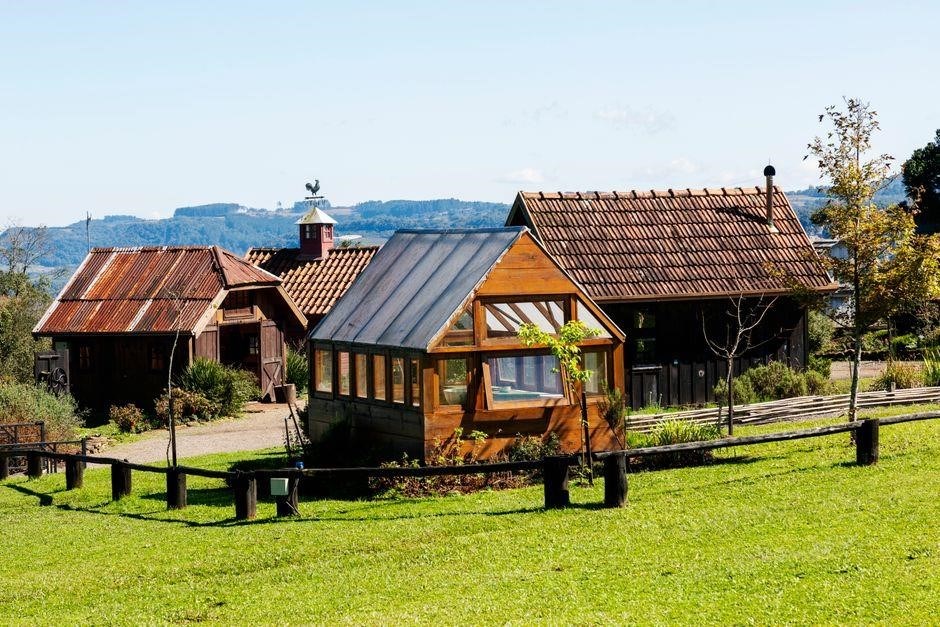
Homesteading blends history and modern eco‑living‚ guiding individuals toward self‑sufficiency‚ community resilience‚ and sustainable land stewardship. It offers a roadmap to independence‚ creativity‚ and a deeper connection with nature for a balanced‚ empowered life. Sustainable practices forcommunity.
Definition and History
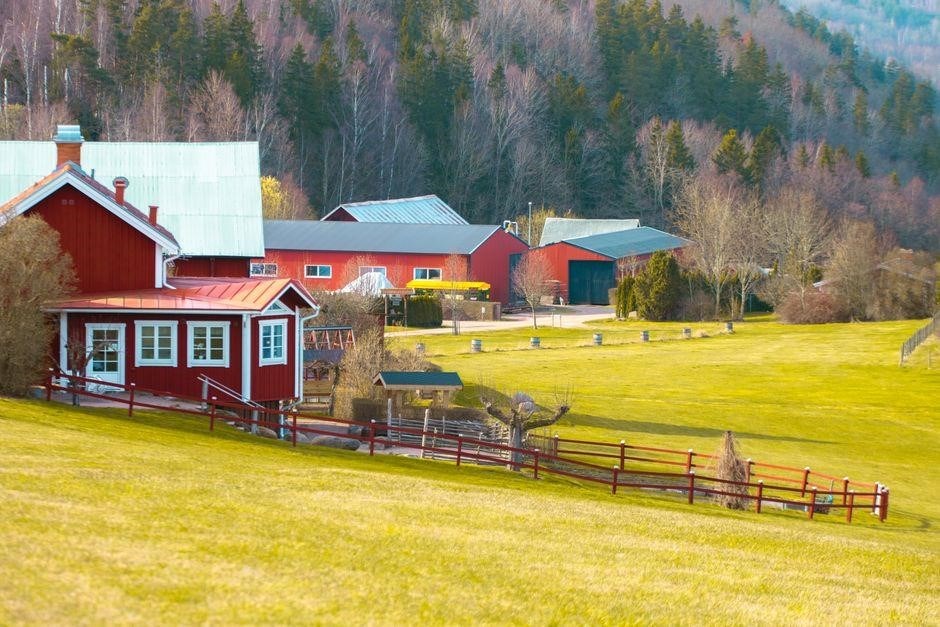
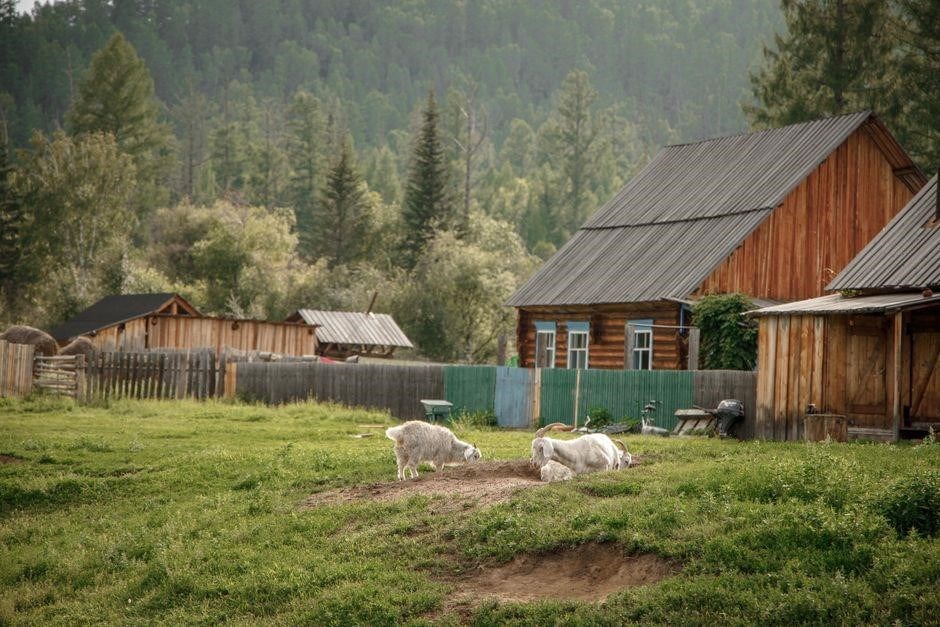
Homesteading is a holistic lifestyle that emphasizes self‑sufficiency‚ resilience‚ and stewardship of land and resources. It blends traditional farming‚ animal husbandry‚ and modern sustainable practices to create a closed‑loop system where food‚ energy‚ and community needs are met locally. The term “homestead” historically referred to a dwelling and its surrounding land‚ but today it includes gardens‚ orchards‚ livestock‚ renewable energy installations‚ and even urban allotments.
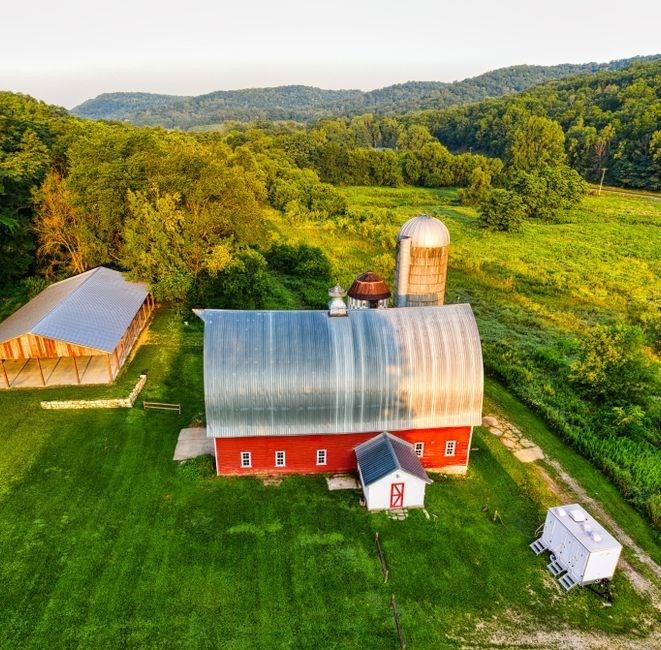
Its origins trace back to the 19th‑century United States‚ when the Homestead Act of 1862 opened 160 acres of public land to settlers willing to cultivate and improve it. This legislation encouraged westward migration‚ fostered agricultural development‚ and established a cultural narrative of independence and frontier ingenuity. The act’s legacy lives on in modern homesteading movements that value land stewardship‚ ecological balance‚ and community cooperation.
In the 20th and 21st centuries‚ homesteading evolved with the Great Depression‚ post‑war prosperity‚ and the environmental movement of the 1960s and 1970s. The rise of organic farming‚ permaculture‚ and renewable energy technologies expanded the definition to include solar panels‚ wind turbines‚ rainwater harvesting‚ and composting systems. Contemporary homesteaders blend traditional skills—seed saving‚ animal care‚ food preservation—with modern tools like hydroponics‚ aquaponics‚ and digital crop tracking‚ creating a resilient‚ self‑sufficient community worldwide!!!!!!!
Benefits and Goals
Homesteading offers a spectrum of tangible and intangible benefits‚ aligning personal aspirations with ecological stewardship. First‚ food security emerges from diversified crop rotations‚ seed banks‚ and livestock‚ reducing dependence on volatile markets. Second‚ economic resilience is built through surplus production‚ local sales‚ and reduced utility bills via solar or wind power. Third‚ health gains arise from fresh‚ pesticide‑free produce‚ active outdoor labor‚ and reduced exposure to industrial chemicals. Fourth‚ community cohesion strengthens as neighbors share knowledge‚ tools‚ and produce‚ fostering mutual aid networks. Fifth‚ environmental impact diminishes through regenerative practices such as composting‚ cover cropping‚ and closed‑loop water systems‚ enhancing soil carbon‚ biodiversity‚ and water retention. Sixth‚ psychological well‑being improves through purposeful work‚ connection to the land‚ and a sense of autonomy. Finally‚ educational opportunities proliferate‚ allowing families to teach children practical skills‚ critical thinking‚ and sustainable values. The overarching goal of homesteading is to create a self‑sustaining ecosystem that balances human needs with planetary health‚ ensuring long‑term prosperity for both individuals and communities. This enduring vision inspires future homesteaders to innovate‚ collaborate‚ and honor the land‚ ensuring that each generation inherits a thriving‚ resilient stewardship legacy. and harmony!
Getting Started
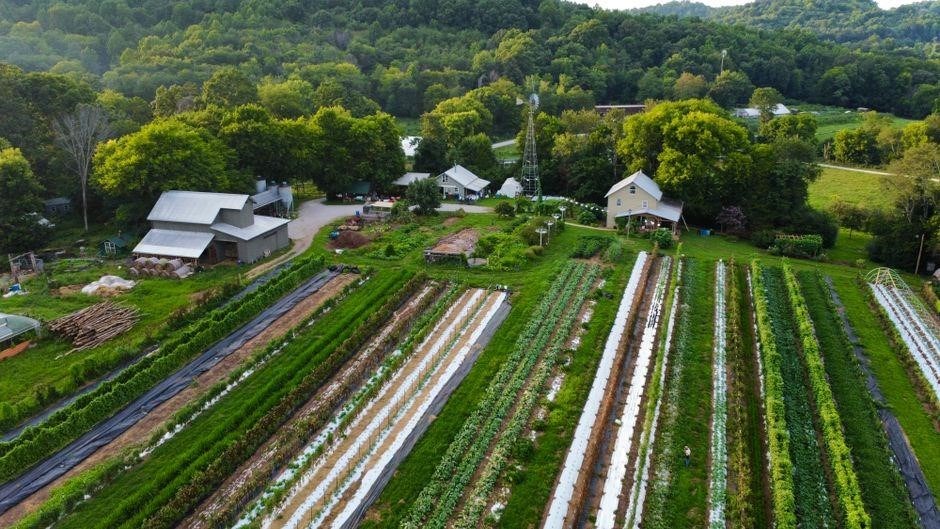
Choosing land is the first step.Evaluate soil‚ water‚ zoning‚ and climate. Draft a layout that balances crops‚ pasture‚ and shelter. Start small‚ test systems‚ and scale gradually. Engage mentors‚ join local networks‚ and document progress for future reference. Plan for seasons‚ record yields‚ and adapt
Land Selection and Zoning
Choosing the right parcel is foundational to a successful homestead. Start by reviewing local zoning ordinances to ensure the land permits agricultural use‚ livestock‚ and renewable energy installations. Inspect soil quality‚ slope‚ and drainage; a gentle grade with ample drainage prevents erosion and supports diverse crops. Proximity to water sources—streams‚ ponds‚ or wells—provides irrigation and livestock access. Assess the climate zone and microclimates; consider prevailing winds‚ sun exposure‚ and frost dates to optimize planting schedules. Evaluate existing infrastructure: road access‚ utility connections‚ and easements. Secure a clear title and verify any restrictive covenants or conservation easements that may limit development. Engage with local agricultural extension offices for soil testing and pest risk assessments. Map out future expansion potential‚ ensuring the property can grow with your needs. Research historical land use to avoid contamination from past industrial activities. Create a detailed zoning map that highlights setbacks‚ building heights‚ and permissible structures to guide future construction and ensure compliance with local regulations. Verify water rights to ensure legal access. Review zoning proposals to anticipate changes that could affect use. Document findings in a land-use log to track compliance and inform decisions for future projects and risk assessment overall
Planning Your Homestead Layout
Begin by mapping the property with a topographic sketch that notes elevation changes‚ watercourses‚ and existing structures. Use this base to position core elements: a main house‚ storage‚ and a central courtyard that allows natural airflow. Allocate a dedicated zone for crop rotation‚ ensuring that high‑yield plots receive ample sunlight while shaded areas support shade‑tolerant species. Design livestock pens near water access but away from crop beds to reduce contamination. Incorporate a windbreak of trees or shrubs on the prevailing wind side to protect crops and shelter animals. Plan pathways that cross the site at right angles‚ minimizing soil compaction and allowing easy movement between zones. Install a rainwater harvesting system on the roof of the main dwelling‚ channeling runoff to a cistern adjacent to the kitchen for irrigation. Position renewable energy panels on the roof or a dedicated structure‚ oriented to maximize sun exposure. Create a small orchard in the northern quadrant‚ using dwarf fruit trees that provide shade for understory crops. Set aside a composting area in a shaded corner‚ with a drip line to keep moisture balanced. Finally‚ draft a phased construction schedule that respects seasonal windows: build the barn in spring‚ install solar panels in summer‚ and finish the greenhouse in fall. This systematic layout ensures efficient resource use‚ easy maintenance‚ and a resilient homestead ecosystem. This layout balances efficacy ecological harmony.!
Building Sustainable Systems
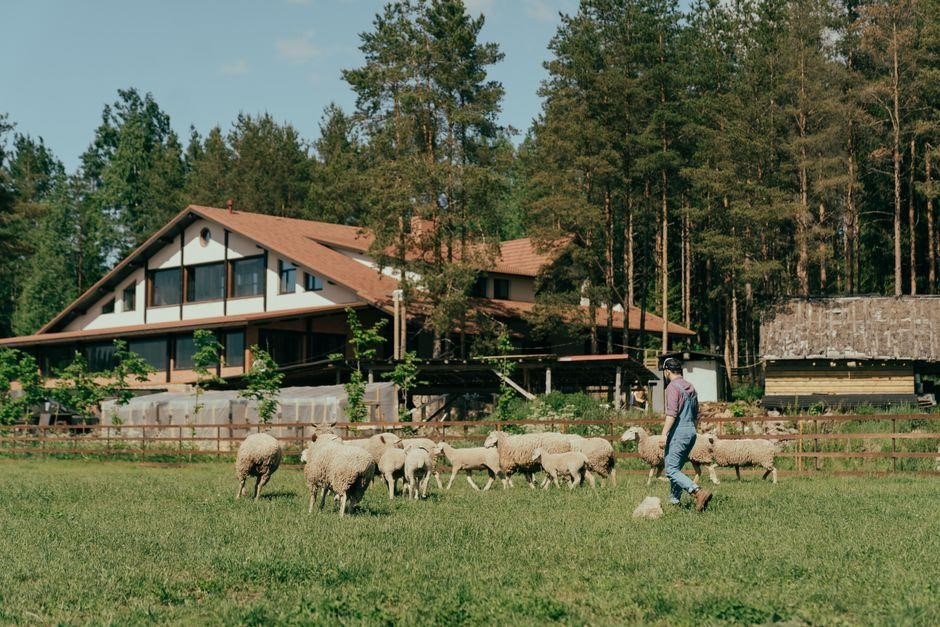
Integrate rain barrels‚ swales‚ and solar panels to capture water‚ reduce runoff‚ and power tools. Use compost heaps to recycle organic waste‚ and build a greenhouse for year‑round crops. Combine these elements for resilience and self‑sufficiency. Sustainable!!.
Water Management
Water is the lifeblood of any homestead. A well‑planned system begins with assessing local rainfall‚ soil permeability‚ and topography. Capture rainwater in barrels or cisterns‚ then use a series of swales‚ berms‚ and contour trenches to slow runoff and infiltrate water into the soil. A simple‚ low‑cost drip irrigation network can deliver moisture directly to plant roots‚ reducing evaporation and conserving precious gallons. Incorporate a gray‑water system to recycle sink‚ shower‚ and laundry runoff for garden use‚ ensuring that filtration and disinfection meet safety standards. A small solar‑powered pump can lift water from a well or pond‚ providing reliable access during dry spells. Finally‚ monitor soil moisture with inexpensive sensors‚ and adjust watering schedules to match crop needs and weather forecasts. This integrated approach maximizes efficiency‚ protects groundwater‚ and supports resilient‚ year‑round production. By layering mulch around beds‚ you trap moisture‚ suppress weeds‚ and add organic matter as it decomposes. A small‚ gravity‑fed rain garden can capture excess runoff‚ filter pollutants‚ and provide habitat for pollinators‚ turning stormwater into a living resource. Installing a solar‑powered water heater can raise water temperature for boiling‚ reducing reliance on fuel ensuring water outages. A rain‑water filtration unit using charcoal and sand removes particulates‚ providing clean water for irrigation‚ livestock‚ and household use‚ enhancing overall system resilience. Enjoy! Go! 🙂!
Renewable Energy Options
Choosing the right renewable energy mix can transform a homestead into a self‑sufficient‚ low‑carbon hub. Solar photovoltaic panels‚ when sized to meet peak daytime consumption‚ provide clean power for lighting‚ refrigeration‚ and small appliances. A 5‑kW array on a south‑facing roof‚ paired with a 12‑V battery bank‚ delivers 24‑hour autonomy for critical loads. Wind turbines are ideal for sites with consistent 12‑mph breezes; a 10‑kW vertical‑axis model can offset 30–40% of grid usage‚ especially during evening hours when solar output drops. Micro‑hydro setups tap flowing streams‚ generating 2–5 kW continuously; even a modest 50‑ft drop can produce reliable power for pumps and small motors. Biomass boilers convert hay‚ wood chips‚ or agricultural waste into heat for space heating or hot water‚ reducing fossil fuel dependence. Hybrid systems—combining solar‚ wind‚ and battery storage—offer resilience; a smart inverter schedules load shifting‚ ensuring that critical devices run during low‑production periods. Incorporating a small‚ solar‑charged water pump can irrigate fields without grid reliance‚ while a solar‑powered greenhouse fan maintains optimal temperature. For nighttime or emergency backup‚ a portable generator fueled by biodiesel or propane provides instant relief. Finally‚ integrating a home‑appliance efficiency audit—LED lighting‚ high‑efficiency HVAC‚ and low‑flow fixtures—maximizes the return on renewable investments‚ lowering overall consumption and extending battery life.
- Solar PV: 5‑kW rooftop array‚ 12‑V battery‚ 24‑hour autonomy.
- Wind: 10‑kW vertical‑axis turbine‚ 30–40% grid offset.
- Micro‑hydro: 2‑5 kW from 50‑ft drop.
- Biomass boiler: hay/wood chips heat.
- Hybrid inverter: load‑shifting‚ smart scheduling.
- Portable biodiesel generator: backup.
Site‑specific plan
Food Production Basics
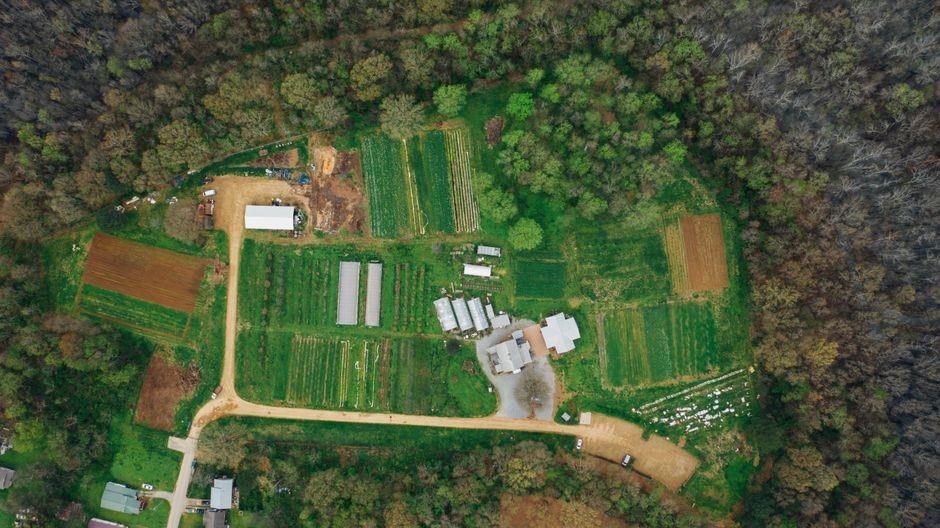
Begin with soil testing‚ then choose crops that match climate and rotation. Use raised beds‚ compost‚ and drip irrigation to boost yield. Integrate cover crops for nitrogen‚ mulch to retain moisture‚ and companion planting to deter pests. Grow herbs for kitchen use.!!
Crop Planning and Rotation
Effective crop planning begins with a thorough soil assessment‚ which informs nutrient needs and pH adjustments. Once you know your soil’s strengths‚ design a rotation that groups legumes‚ heavy feeders‚ and cover crops. Legumes fix nitrogen‚ reducing fertilizer use. Heavy feeders like corn or potatoes deplete nutrients‚ so follow them with nitrogen‑rich greens or cover crops such as clover or rye. Incorporate green manures to rebuild organic matter and suppress weeds. Stagger planting dates to extend harvest windows and diversify income streams. Use companion planting to deter pests—marigolds near tomatoes repel nematodes‚ while basil enhances basil’s own flavor. Rotate crops annually to break disease cycles and reduce soilborne pathogens. Record each season’s yields and observations in a detailed journal; this data refines future plans. Integrate polyculture systems‚ combining fruit trees‚ shrubs‚ and annuals to maximize space and resilience. Finally‚ align rotation with market demand and seasonal labor availability‚ ensuring that the homestead remains productive‚ sustainable‚ and profitable.
Seasonal calendars guide planting windows‚ ensuring crops receive optimal light and moisture. A well‑timed mulch layer conserves soil temperature‚ reduces evaporation‚ and deters weeds‚ while a drip system delivers precise irrigation. Harvest timing is crucial: early picking preserves flavor‚ and staggered cuts keep yields steady. Post‑harvest‚ rotate beds to allow recovery; cover crops such as clover or rye add nitrogen‚ improve structure‚ and trap pests. Record metrics—yield per square foot‚ water use‚ and pest incidence to refine future rotations and maximize land efficiency. This data‑driven approach also supports biodiversity‚ encourages pollinator habitats‚ and reduces reliance on external inputs.
Livestock Selection and Care
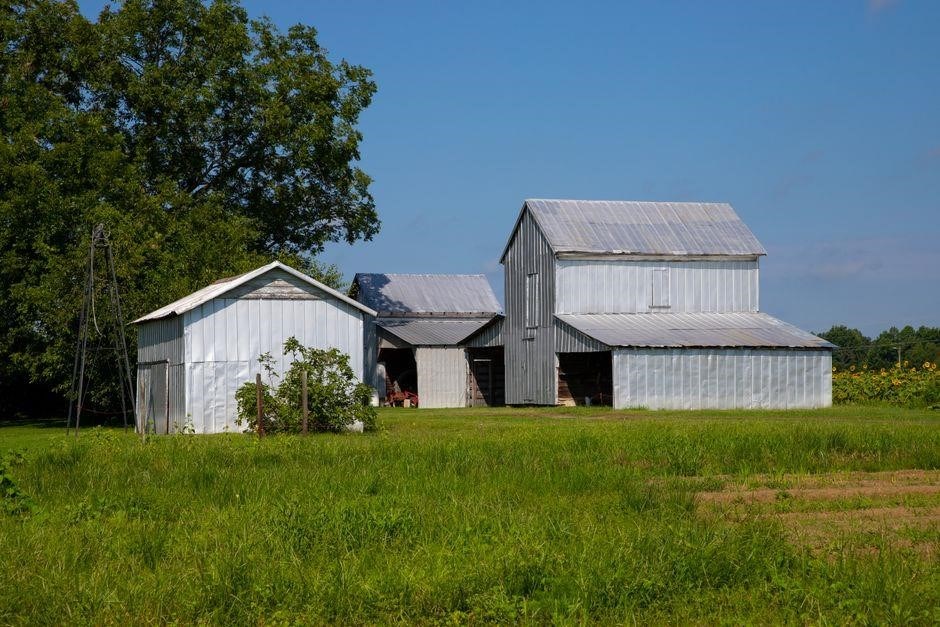
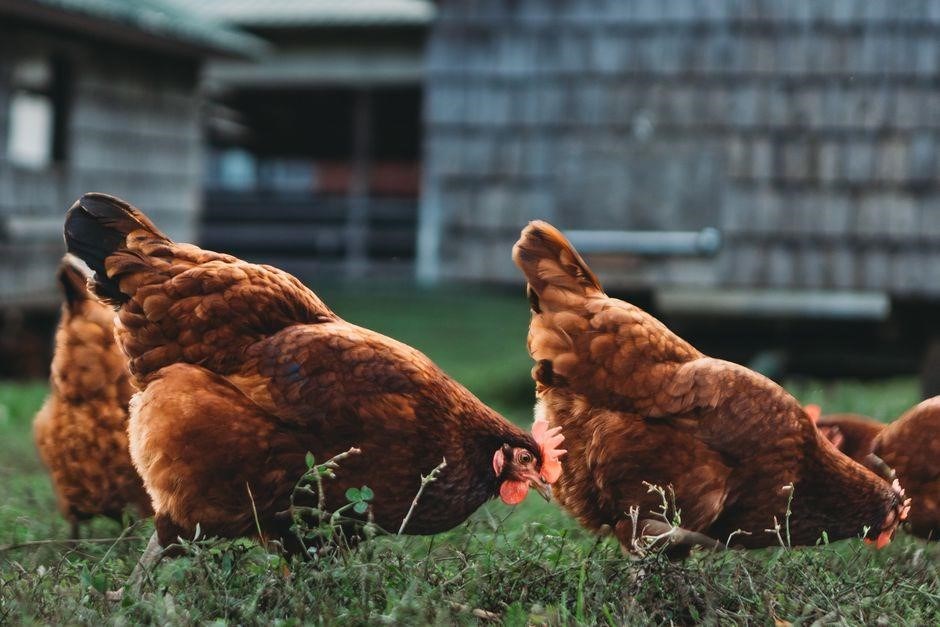
Choosing the right livestock hinges on land size‚ climate‚ and personal goals. Small plots favor chickens‚ ducks‚ or rabbits‚ while larger acreage can support goats‚ sheep‚ or cattle. Start with hardy breeds—heritage chickens like Rhode Island Reds or heritage cattle such as Hereford—because they thrive on diverse forage and resist disease. Consider dual‑purpose animals: dairy goats provide milk and meat‚ while dual‑purpose hens lay eggs and offer meat when needed. Evaluate feed requirements: goats and sheep consume browse and pasture‚ whereas cattle need larger grazing areas. Plan for shelter—simple windbreaks and shade structures protect animals from extreme weather. Rotate grazing paddocks to prevent overgrazing and maintain soil health. Provide clean‚ fresh water at all times; install automatic waterers for larger herds. Implement biosecurity: quarantine new arrivals‚ vaccinate against common diseases‚ and keep a clean barn to reduce parasite load. Record health logs—vaccination dates‚ weight gain‚ and any illnesses—to inform future breeding decisions. Use natural pest control: chickens eat insects‚ and bees pollinate crops‚ creating a symbiotic ecosystem. Finally‚ integrate livestock into crop rotation: manure enriches soil‚ and grazing weeds reduce mowing labor. This holistic approach ensures sustainable‚ productive‚ and humane animal stewardship on the homestead. By integrating these practices‚ homesteaders build a resilient ecosystem that supports human and animal health‚ reduces waste‚ and promotes longterm stewardship.
Self-Sufficiency Skills
Mastering preservation‚ herbal remedies‚ and renewable energy turns a homestead into a self‑sustaining haven. Learn canning‚ drying‚ fermenting‚ and solar panel basics to keep food and power steady. Herbal kits boost health‚ while composting turns waste into nutrient‑rich soil. Daily practice now.
Food Preservation Techniques
Preserving harvests is the cornerstone of homestead resilience. Start with canning: use a pressure canner for low‑acid foods like root vegetables‚ ensuring 10‑minute sterilization at 15 psi. For high‑acid items—tomatoes‚ berries—water‑bath canning at 10 minutes per pound works. Dehydrating extends shelf life; a dehydrator or low‑heat oven at 135 °F dries herbs‚ fruit slices‚ and jerky. Fermentation harnesses lactic acid bacteria; ferment cabbage into sauerkraut or yogurt by submerging in brine‚ maintaining 65‑70 °F. Pickling preserves cucumbers and peppers; a vinegar‑based brine with spices and a quick boil for 5 minutes locks flavor. Freezing is a rapid method: blanch root crops‚ then flash‑freeze in airtight bags. Root cellar storage keeps root vegetables cool and humid; use perforated bins to avoid mold. For grains‚ store in airtight containers with desiccants to repel insects. Rotating stock ensures you use older items first‚ maintaining freshness. Combine techniques—canning then dehydrating—maximizes yield. Proper labeling with dates and contents keeps inventory organized; Storing preserves in glass jars sealed with vacuum pumps extends shelf life beyond a year. Rotating stock in a dedicated pantry with temperature control prevents spoilage. When supplies run low‚ a simple solar dehydrator can quickly dry surplus produce for winter use. Finally‚ learning to repurpose leftovers—turning vegetable scraps into broth or compost—ensures nothing goes to waste. Seasonal rotations also help balance soil nutrients‚ ensuring long‑term crop health without chemical fertilizers. Freshness stays!
Herbal Medicine & Home Apothecary
Building a home apothecary empowers a homestead to heal naturally. Start by selecting native‚ disease‑resistant herbs—lavender‚ chamomile‚ calendula‚ and yarrow—grown in companion beds to reduce pests. Harvest during peak potency: mid‑morning after dew has evaporated. Dry herbs in a ventilated area or using a dehydrator at 120 °F; store in airtight glass jars labeled with species and date. Infusions are the simplest tincture: steep dried herbs in alcohol (95 % ethanol) or vinegar for 4‑6 weeks‚ shaking daily. Strain and bottle‚ keeping a 1:1 ratio of herb to liquid for potency. For salves‚ melt beeswax‚ coconut oil‚ and essential oils‚ then stir in dried herb powders. Pour into tins and label with preparation date. A simple herbal tea blend—ginger‚ lemon balm‚ and peppermint—provides digestive relief; brew 1 Tbsp of dried mix in boiling water for 5 minutes. Store teas in sealed containers. For emergency use‚ keep a first‑aid kit with hydrogels‚ antiseptic wipes‚ and a small supply of herbal salves. Educate household members on dosage: tinctures are measured in drops; salves are applied thinly. Regularly inspect stored herbs for mold or insect activity; discard compromised batches. A home apothecary not only reduces reliance on commercial drugs but also deepens the homestead’s connection to the land‚ turning everyday plants into tools for wellness and resilience. This curated collection of remedies empowers families to thrive sustainably and resilience
Leave a Reply
You must be logged in to post a comment.